📞 Call us: +44 (0) 1268 901834

✉ Email us: sales@mdscargo.com

Author: admin

  • Problem with Extra Luggage to Nigeria from UK

    Problem with Extra Luggage to Nigeria from UK

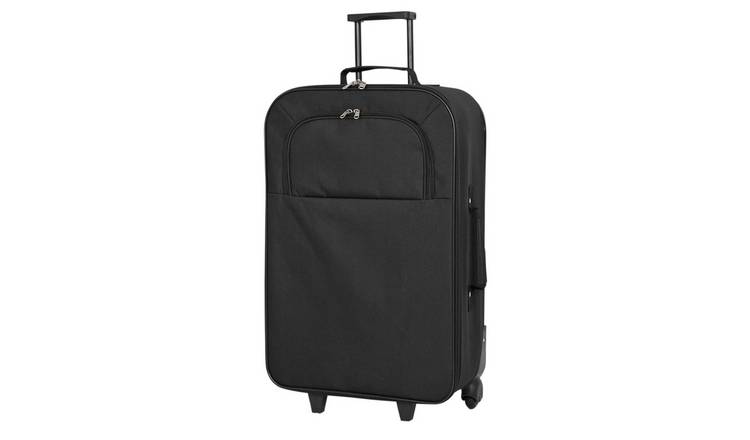
    The fear of extra luggage at the airport when travelling from UK to Nigeria or from Nigeria to UK is always there for most of our customers and non customers . What you want to avoid is to get to the airport and find that you have gone far over the allowed luggage limit by your airline

    Most at times customers would have to start unpacking and packing again and then finally abandoning few items or had to pay extra luggage fee to the airline. Assume you are somebody going on a holiday with few funds to spend, paying for an extra luggage would start to deplete your holiday funds.

    If you want to travel free of stress, why not take your time, pack your extra luggage on time

    Plan in advance

    Most at times customers would have to start unpacking and packing again and then finally abandoning few items or had to pay extra luggage fee to the airline. Assume you are somebody going on a holiday with few funds to spend, paying for an extra luggage would start to deplete your holiday funds.

    To avoid this situation you have to start by doing the following;

    • Check your allowed luggage limit by your airline and make sure it is reconfirmed before you pack for your journey.
    • Buy a good weighing scale that will give you the most accurate weight that resembles what you will get at the airport. You can buy Proship weighing scale, check it out at MDS General Store.
    • Find out how much fee is charged for extra luggage by your airline and see if it’s what you can afford.

    Armed with the above information and tools, you are bound to make the best decisions on your travel and luggage. If you want to travel free of stress, why not take your time, pack your extra luggage on time, then let MDS Cargo collect it from you and deliver it to your door in Nigeria? We send out goods every Friday of the week and will have it at your door in Nigeria within 5-7 business days.

    On many occasions you will find our price cheaper than the extra luggage you will pay at the airline.

  • How Do You Identify a Fake Freight Forwarder?

    How Do You Identify a Fake Freight Forwarder?

    How Do You Identify a Fake Freight Forwarder?


    A freight forwarder is an effective service supplier for businesses exporting or importing commodities and for people who want to relocate their complete family or merely ship certain goods to another nation.

    Although there are many legitimate companies, the sector has sadly been tainted by dishonest freight forwarders.

    As a customer, you must be aware of the deceitful tactics used by scammers in the shipping sector. If you come across a forwarder who seems too good to be true, that’s because they probably are!

    Let’s have a look at some of the scams and ways to avoid them while working with freight forwarders.

    1.  Bill of Shipping Held

    This can happen if a fraudster poses like a freight forwarder or if you’re stuck with a fly-by-night shipping company. They provide an absurdly low cost, which might also sound really appealing to you during the initial discussion.

    To avoid this scam, do your research so you know the typical cost of your package before approaching any freight forwarding firm. Unfortunately, many novice importers today lack vigilance regarding current shipping costs, which is why they are readily enticed by any low or subsidised deals on the internet.

    2.  Duplicate Names

    Scammers who are attempting to defraud shippers often mimic the identities of reputable and competent freight forwarders. Two firms in an industry may have similar names

    ; however, when new companies appear with similar names as long-established freight forwarders, the owners of those new ventures are attempting to gain faith and clients by leveraging the existing brand’s market presence.

    You must be able to identify a legitimate website to identify this scam correctly. The first step is to look at the website’s URL. If you remember the company’s precise spelling, go to the URL, and look for any misspelled letters. Furthermore, give heed to the domain name of the website. If the URL contains a free hosting website such as Wix, or HubSpot, the site is almost certainly bogus.

    3.  Cargo Theft

    Companies will advertise low costs with one objective in mind – to steal your cargo. Once you turn over your goods to the freight company, you will not know what has happened to them until you obtain documentary confirmation, such as a freight forwarder’s certificate or bill of the cargo, after the goods have been delivered.

    Vigilance is always the solution to avoid this fraud. You should know about how the freight forwarder accomplishes its task as well as its terms of service. Ask the company whatever you want to know, and make sure you get their phone numbers and billing and shipping addresses.

    Final Verdict

    Do your homework before hiring a freight forwarder. Check to see if the company is credible, has years of expertise, can provide references, and are what they claim to be. Select a company that maintains its online platform and try to locate any client reviews and testimonials.

    Afodel can help you find genuine freight forwarders. It employs a strict verification system, and all businesses are verified before becoming a part of the network. Not only that but there are constant checks by a dedicated team to keep dodgy freight forwarders at bay.

  • Proof Of Export And VAT Refund Explained

    Proof Of Export And VAT Refund Explained

    We have deemed it appropriate to explain to our customers how the issue of Proof of export and VAT(Value Added Tax) refund works here for goods bought and exported outside the UK. Usually  most goods purchased in the UK and scheduled for export is entitled for a VAT refund as long as the Proof of export can be sent back to the supplier . We will take a little time to explain different scenarios that a customer may face.

    What is proof of export ? Proof of export(PoE) is a document showing that the goods in question has been exported out of the country, this document is usually in the form customs entry done by your freight forwarder or the supplier that sold you the goods if they have the capacity to ship and declare the goods in the customs system as exported. Proof of export is usually required due the following transactions;

    1. A supplier has sold to the customer without charging VAT on trust that the customer will produce the proof of export once goods has been exported. The supplier needs this to prove to the tax authority in that country why VAT was not charged . In this case the supplier will ask for what they call a collections note from the customer’s freight forwarder and the collections note must state when the PoE will be sent back to the supplier for filing. The collection note must also contain all relevant information about the freight forwarder’s business  and signed by the forwarder. If the freight forwarder is not able to produce the PoE, the supplier has the right to charge the customer  the sum of the VAT not paid by the customer. So be careful of this , it is easy to forget a POE if the supplier does not chase for it.

    2. A customer was charged VAT by the supplier and goods were exported out of the country but the customer would like to get the VAT paid on the exported goods back, remember that claiming VAT back for exported goods is usually a trade incentive to encourage export business by almost all countries, high exporting countries are usually better positioned economically than importing countries . In this case the freight forwarder will have to prepare the PoE and send back to the customer and the customer’s supplier to be able to effect to the refund. The customer has about 3 months to do this in the UK but may differ in other countries.

    Please note that if a supplier sends goods to UK address,  the supplier may not be able to zero rate the sale for VAT but if the customer collects directly or indirectly through a forwarder, then this is possible. This is where the term EX Works comes in which will be explained shortly below.

    I am not a business customer , am i  entitled to a VAT refund ?

    Yes, as long as the items billing and delivery address on the  invoice shows that the the item was bought for export purpose and the proof of export  can be provided by you or your shipper then the VAT paid on the items should be refunded by the supplier/seller back to you. Usually this is refunded electronically through bank transfer in order to maintain records for the tax man. It is very important that your supplier understands that the transaction will involve a VAT return. 

    I am a business customer , am i entitled to a VAT refund ?

    VAT refund generally favour all business customers, make sure your commercial invoice issued by the supplier has all that is needed for export declarations, commodity code (HS CODE) and goods description, invoice number etc.

    My goods were exported in a consolidation the Air Waybill does not specifically list my goods but general term was used to describe the whole lot , can i still get my VAT back?

    Yes, as long as you are listed in the manifest and your forwarder declares your goods with the customs for export, you should be fine .

    Can i claim VAT back if i bought and used the goods in the same  country even as a foreign visitor ?

    No, goods must be exported out of the country and proof of export produced before any VAT would be refunded.

    What documents are needed for my supplier before i can have my VAT refunded?

    Simply said, your proof of export in the form of Air Waybill, Bill Of Lading and customs declaration in the exporting country.


    Ex works explained :

     To be continued ………..

  • Business Opportunities in the United Kingdom for Expatriates

    Business Opportunities in the United Kingdom for Expatriates

    The United Kingdom (UK), with its robust economy, diverse market, and rich cultural tapestry, offers a plethora of business opportunities for expatriates looking to carve out a niche for themselves. From vibrant cities like London and Manchester to emerging urban centers, the UK provides a fertile ground for various sectors. This article explores some promising business opportunities specifically tailored for expatriates.

    1. Technology and Digital Services

    The UK’s technology sector is booming, with London often referred to as Europe’s tech capital. For expatriates with expertise in software development, cybersecurity, or digital marketing, there exist vast opportunities to start or join tech firms. The rise of startups in the fintech, health tech, and ed tech industries presents an ideal landscape for those with innovative ideas. Expatriates can leverage their diverse cultural insights to develop products and services that meet the needs of both local and international markets.

    2. Import and Export Businesses

    Given the UK’s global trading status, expats can find lucrative opportunities in the import and export sector. With a unique understanding of foreign markets, expatriates can bridge the gap between manufacturers in their home countries and British consumers. Whether it’s artisan goods, food and beverages, or technology products, there are opportunities to create businesses that enhance the availability of international goods in the UK.

    3. Tourism and Hospitality

    The UK remains a top travel destination, attracting millions of tourists annually. Expatriates can capitalise on this by establishing businesses in the tourism and hospitality sector. This can include tour guide services, boutique hotels, or unique dining experiences that showcase international cuisine. With the growing trend of experiential travel, businesses that offer authentic cultural experiences are poised for success.

    4. Health and Wellness Industry

    The health and wellness industry has seen significant growth in recent years, making it an appealing sector for expats. This can involve opening wellness centers, fitness studios, or providing holistic therapies. Additionally, expats with a background in nutrition or mental health can offer consultancy services or run workshops and retreats that focus on well-being. The increasing focus on health makes this a ripe opportunity for those with the right credentials and passion.

    5. Sustainable and Eco-friendly Solutions

    With an increasing number of consumers prioritising sustainability, expatriates can dive into green business ventures. Options such as eco-consultancy firms, sustainable product lines, or renewable energy solutions can resonate well in a market keen on reducing its carbon footprint. Expats can use their unique perspectives to introduce innovative sustainable practices and products, appealing to conscientious consumers.

    6. E-commerce and Online Retail

    The e-commerce boom has transformed how people shop in the UK and around the world. Expatriates can take advantage of this trend by launching online retail businesses that offer niche products, whether they are handmade crafts, clothing, or speciality foods that reflect their cultural heritage. With the right marketing strategies, an understanding of local regulations, and a solid logistics framework, this can be a profitable venture.


    if you re an expatriates considering business opportunities in the UK, the landscape is filled with potential. By leveraging their unique skills, cultural knowledge, and insights, expatriates can successfully navigate the competitive market and establish thriving businesses. Whether in technology, tourism, health, or sustainability, the commitment and creativity of expats can lead to meaningful contributions to the UK economy while fulfilling entrepreneurial aspirations. With proper planning and adaptability, there is no limit to what an expatriate can achieve in this diverse and dynamic business environment.

  • The need for proper handling of goods by customers

    The need for proper handling of goods by customers

    Well here we are again, it has been a while since we penned something on MDS Cargo but we promise to be consistent these days. Over the years we have seen how handling have become a serious hassle with the increment of customers and which also comes with increment in the amount of goods to be handled. Most cargo businesses operate a storage and handling department which will oversee the correct and appropriate handling of customers goods. The problem here is the extra burden given to handlers by customers by being careless with their own goods, by having no clue on how to put their goods together for shipment. These problems cuts across all types of customers male, female, old and young. With this in mind we have come up with the following advice for customers.

    1. Treat your goods as if you are the shipping agent yourself – Ask yourself one question? How would you like your receiver to receive the goods? Your answer should be ‘Well packed and intact’.

    2. Understand that your goods may pass through different hands and depots before getting to final destination – A typical shipment will depart from your door, then enter into shippers warehouse where it will be handled and stored, then loaded onto van or truck again, loaded onto Container or Aircraft if required, then handled and stored at destination depot, loaded onto van again for delivery. There may be more other stops for a good before it arrives destination. A proper handling will keep goods intact till destination.

    3. There is a difference in packing pieces of clothes and packing breakable items – Pieces of clothes/rages can go in normal boxes but anything breakable should go in a wooden or strong plastic enclosure. You don’t want breakables being damaged if a heavy item is stacked on top.

    4. Whichever transport mode requires proper packing – All transport modes will require proper handling of goods, there are no exceptions, handling your package for air cargo is not different from road, sea and rail cargo services. Goods classed as dangerous goods (DG)should be sent to a Dangerous goods expert for handling. Dangerous goods are a no go area for Airlines, please declare these type of goods to the shipping agent .

    5. Why not put a call across to your intended shipper and ask how your stuff can be packed – If you are not in the freight or logistics business, then we know you may be lost on how to put a Sellotape on a box, what type of box? what type of Sellotape? What are dimensions and many other confusing situations. Pick up the phone and put a call across to your shipping agent.

    6. Always declare accurately the description of your package content – This brings us back to Dangerous goods declaration (DG GOODS), breakables declaration, contraband declaration and so on. One thing is for sure in logistics, a customer will never get full compensation if the goods and value is not properly declared before shipment. We will keep this topic updated!

  • Explaining Volumetric Weight Billing in Air Cargo

    Explaining Volumetric Weight Billing in Air Cargo

    Our Air freight customers usually go mad when they are charged by volume as against the dead weight of an item. Unfortunately most freight forwarders cannot help with this and why is this? This is because the airline will charge the dead weight or volume weight , whichever is higher.

    Take for instance , you have a little van that makes a journey of 20 miles and fits 40 boxes weighing 300kg in total, then you have a van that makes the same journey with 20 boxes that filled the van and weighing 150kg. Assume your billing is in kg and billed at £1/kg x 300kg, you will be looking at £300 for the trip and the other van will be looking at £150 for the same trip. If the cost of running the service will cost about £200 to execute and the profit is £100 at 300kg, then obviously the other van with £150 bill wont be able to make the trip or would be at serious loss. This system also applies to airline billing .

    The airline will calculate the length as L X W x H / 6000 = Volumetric weight. Let us  examine the following ;

    Box 1 : Length  = 30cm  Width = 30cm  Height = 45cm Weight = 25kg | Volume weight = L(30cm) X W(30cm) X H (45cm)  / 6000 = 6.75kg

    Actual weight = 25kg  Volume weight = 6.75kg.

    The actual weight is more than the volume weight, the airline will charge the actual weight in this example :

    Box 2 : Length  = 50cm  Width = 50cm  Height = 60cm  Weight = 10kg | Volume weight = L(50cm) X W(50cm) X H (60cm)  / 6000 = 25kg

    Actual weight = 10kg, Volume weight = 25kg.

    The actual weight is less than the volume weight, the airline will charge the volume  weight in this example :

    To be fair , some  forwarders may be able to make concessions especially in a consolidated shipment with other forwarders or customers, some of the customers may turn up with heavy items that may offset the volumes on the others, some customers may be shipping heavy equipments with small dimensions which will help bring down the overall volume for the forwarder but most of the time it is not always the case.

    As a customer, please have it in mind that your shipments may attract volume charge.

    How would you prevent a volume charge?

    • Try your best to reduce the size of your goods if possible by joining boxes or bags together, if 2 boxes can fit as one, then that would make that 1 box heavier with a reduced volume.
    • Consider if the item can be freighted by Sea freight groupage , sea freight container may be more flexible and mostly charged on space rather then weight. This would help you get more items into a space and make the most of it .
    • Contact your freight forwarder for more advice on how to reduce volume before you send the goods.


  • Why You Need to List Your Freight Forwarding Business in Transport Directories

    Why You Need to List Your Freight Forwarding Business in Transport Directories

    Freight forwarding companies are becoming increasingly popular. Many shippers hire a freight forwarder to act as their delivery partner in full compliance with shipping documents and delivery prerequisites.

    However, if you are in the freight forwarding industry, you would know that finding clients that need your services can be difficult. Many go for reputable transporters because logistics is a complex process, and not everyone is equipped to handle it. Trust issues also keep new clients on the edge as they are afraid of being scammed. Fortunately, registering your freight forwarding business can help you deal with these issues and land clients.

    A freight forwarder directory is an area where clients and companies can meet and come up with solutions to current transportations problems. You can get registered and access the vast network of clients that visit the directory, looking for freight forwarders.

    Transport directories generally have a stringent check-and-balance system to identify fraudulent companies and prevent them from registering on the site. This ensures that the freight forwarders registered in the directory are genuine and trustworthy. Since clients know this, they are more open to working with companies registered on transport directories.

    Transport directories also actively engage in advertisements. This means that the will be bringing clients to you, and you won’t have to invest anything in marketing your services. Owing to the transport directories marketing activities, you will be more likely to find clients who are genuinely interested in your services.

    Freight forwarding company directories can be extremely useful for you if you are just starting out and don’t have a strong online presence. You can get registered on the directory and increase the chances of prospects finding you. They can also compare your services and rates with other providers to check if your services are worth it.Furthermore, the best directories have higher domain authority, allowing them to compete in search engine results pages (SERPs).

    Afodel’s Online Directory

    If you are currently providing your services in Africa, consider getting registered on Afodel. Afodel is a shipping comparison site aimed at African companies doing business internationally. The goal is to let African companies transfer commodities from Africa to the rest of the globe.

    In poor countries, transportation can be extremely challenging, making it tough for businesses to move goods. Afodel takes expanding African shipping opportunities and managing them to a whole new extreme, giving transport operators more options and a larger outreach to help them complete their shipments.

    You can join Afodel as a Freight Agent, Courier, Shipper, or Clearing Operative. You can add your biography to their Freight Agent directory and compete for jobs with potential customers. Set up an account as a Freight Agent, and the jobs on Afodel can be bid for by anybody with the necessary knowledge to do the work.

  • How To Start A Cargo Export Business FROM UK AND EU To Africa

    How To Start A Cargo Export Business FROM UK AND EU To Africa

    This article is centered around startups operating within the UK and EU zones. This is more of a general guide on how to start exporting goods on behalf of customers to African countries.

    OVERVIEW

    Most African countries are serious importers of goods from the Western countries, be it personal or commercial in nature and this needs to be recognized by anyone thinking about being a freight forwarder and specialising in African freight. This means that you would need to put up a very good business structure to handle the customers and beat the competition. It is worth noting that some of the export routes are already saturated with freight forwarders that are highly experienced and professional. Take Nigeria, Kenya and South Africa for instance , these routes are well established export routes and heavily operated by loads of experienced forwarders. That said it is also a viable export route for any forwarder to come into taking  consideration of  the volume of shipping jobs happening on these routes. Meanwhile countries like Zimbabwe , Tanzania,  and Cameroun may have the export demand from UK and Europe but not enough forwarders serving them. This is why it is important to do research on this and make the necessary contacts to put your business in the right position.

    It is true that the larger the economy the more business opportunities available but the job of a professional forwarder is to explore where the best profit can be made . I will strongly advice that you start with the routes you know best or where you have a reliable contact.

    THE BASICS NEEDED

    Company Registration: Is your company registered in the country  you want to start the business from? Have you fulfilled all the requirements needed to start a freight forwarding business? Have you chosen the best name for your brand? If you haven’t done the aforementioned items then you are not ready yet.

    Location: Is your business located in the right place and within where your potential customers are located? Even if it is how accessible is your business to customers? For example can they park comfortably in your business premises? How near is it to a public transport system for those that don’t drive ?

    Warehouse or Storage: I think most startups with small capital would prefer to work out of storages or share warehouses, there are storage units like Storage King in the UK(no foods items allowed please)  and large container storages called yards used for trading but mostly for export and import businesses. Is the warehouse big enough and can it accommodate goods without relocation in the case of rapid business growth occurs?

    Vehicle : Are you offering door collection or drop off? Every freight forwarder needs a standby van either company owned or through a sub contractor. A business needs to do serious calculation on what will work best, customers love door collection and door delivery, this will win you customers any day.Your business can also liaise with established courier companies like DHL, UPS etc to help with collection of customers goods from their door to your storage or warehouse.

    Training : Though experience is the best teacher and some countries do not require any professional training or certificate  to start a forwarding  business, we do encourage startups to have some basic idea of freight forwarding fundamentals and some calculations in Air and Sea freight like volumetric weight for Air freight and cubic meter for sea freight. Please see a previous article on this here.

    Tools: You need at least a basic accurate cargo weighing scale (Not bathroom scale please). You need a weighing scale that has a separation between the base and the meter that displays how much weight a good weighs. For start ups, Abcon Pro ship can be picked up for less than £120. This weighing scale or it’s similar scales are fantastic mobile cargo weighing scales that can be moved about and can take the weight of goods in front of a customer’s door for transparency. A tape measure is needed if you want a volumetric or cubic meter measurement . Most of all you will need a wrapping film either black or clear film to be able to handle the goods perfectly well. Please see attached images below. A pallet and strap is a necessity to secure your goods and ready for a long journey. You want to keep the goods intact before and after it gets to destination. See basic goods handling tools and packaging types here  or below.


    IT Systems: These days IT has become a major part of a business infrastructure and if not the only one sometimes, to be a successful freight agent you must be professional and to be professional means you will have an IT system that will cater for billing  and  tracking and these being the minimum. A business can use any system it deems fit but we will recommend Book Track Deliver for a simple freight management system . This is a free freight management  software with video tutorial and standby support.

    Connect To  The Right People: Have you spoken to the right airline that will help you move the goods? If you are not a full member of IATA and  not able to meet up a minimum threshold of cargo volume, you will not be able to book airline or access the rates directly but don’t worry this takes time for a startup, Freight forwarding has levels, there will be bigger upper level  forwarders with IATA memberships that offer cheap cargo rates and customs documentation services that will be suitable for you. Usually these forwarders  will have limits and minimum amount of weights you can bring in, in the UK one of such companies with a high reputation is Nexus cargo handling .

    You may also reach a price deal and partner with other startups like you to move goods together to bring up your volumes but you still need to use the upper level  forwarders as mentioned above. Usually most people start this way by becoming a sub-agent and consolidating to other forwarders with bigger volumes then move on to being bigger and offer sub-agent opportunities to others.

    Arranging a solid customs clearing agent is one of the first things you should do, most clearing agents will normally have the facility to hold your goods after clearance, then can also help you do the local delivery, the whole process of clearing and delivery can be sub contracted to the agent. Another option which is usually the cheaper and best option is to create a business presence and facility in the country to hold and deliver the goods yourself. This will give you the freedom to offer a better service and have control of the whole process at destination. Afodel.com has a large database of verified  African forwarding and clearing agents.

    Terms and conditions: Customers need to know the way you operate. Payment, insurance, delivery times, restricted and prohibited items are all part of what your customer should know before they take your service, you can attach a link to this terms in your email, whatsapp, invoice etc. It is important that the customer see and agree to it before using your services, this is the major reason disputes occur in freight forwarding.

    PROVIDE SERVICE OPTIONS

    Air freight: Study your customers and see if they prefer more air freight to sea freight, you can also mix both. Sometimes there may be more hassles sending or clearing air freight at the destination. You may also experience volume issues with the airlines that may not be favourable for you. Generally Air freight is quick and can generate a daily or weekly income for a business and  Air freight is priced per kilo.

    Sea Freight : Study if your customers prefer sea freight to air freight, businesses see sea freight as a very cost effective way of moving large quantity of purchases for a cheaper price , it may not necessarily be more profitable than air freight for a customer , as a forwarder your business is to advice the customer on the pricing, delivery time range and safety of goods, it is left for the customer to make a decision.  The perfect pricing method for sea freight is by kilo or Cubic Meter (CBM) with the latter being professionally preferred.

    Road Freight: Road freight is also a vital but not a common form of freight to Africa, if you do your research you may find there is a lot of exportation going on by road within Africa, to and from  Africa. Usually continents or countries that have land connection will definitely do intercontinental road freight though this is not so common, or a short part of the freight will be trans modal (may be a short part by ferry and majority by road).

    Rail Freight: You will be surprised that there is a huge amount of freight by train happening between continents and countries, for example there a rail freight transport happening between China and mainland Europe as i write now using the old silk route, you can explore if that happens in Africa and how to tap into it.

    MARKETING

    Audience: Trust me you don’t want to be a freight forwarder that ships to Nigeria and then shares your flyers only to Zimbabweans( Don’t get me wrong, a Zimbabwean may mention your services to some Nigerian friends and that may win you customers). Consider how well your business will do if  you share that same flyers to a group of Nigerians and then keep linking up to Nigerians and sharing your flyers to them.

    In freight forwarding 3 things comes first and that is PRICING, SPEED OF DELIVERY AND SAFETY OF GOODS. Get these 3 things fully incorporated in your marketing always and practice what you preach.

    Digital Marketing: Explore all forms of advertising online to reach your target audience , hire experts  don’t do it yourself always. you wont have the time to run your business operations and still have time for marketing . A robust website will help you very well to make the statement that you are a viable company and customers can access your information without having to call you on the phone. For experts at building freight and logistics focused websites please contact mds.business

    Directory and Maketplaces: Join your fellow forwarders wherever they are seen, be with the big boys in the industry, list your business in the local and international directories, One free one that incorporates directory and marketplace is Afodel.com.

    Spare No Funds: Let me call a spade a spade, there is no free food in marketing, gone are the days marketing is free if there was ever when , if you don’t spend money to market your services then Good luck.

    OPERATIONS

    This refers to the continuos engine running the business, i will talk about Air and Sea freight only, assuming you have done your home work on the basics mentioned above, please pay attention there are some slight differences;

    Air freight:

    It is better to set a shipping date for  Air and sea freight, this gives your customers the idea on when to bring their goods or order for collection of their goods. Most forwarders prefer Fridays which gives time to collect, handle goods and drop off at the airline depot.

    1. You have set up all your basics and done marketing.

    2. You have started getting calls to ask about prices and your procedure.

    3. You have won a job  that is either door to door collection and delivery or customer is  dropping off at your warehouse. Door to door, you will make sure the customer packs the items very well and securely , boxes are the best, then drive up there or send a courier to collect. Make sure the  price of these are built into your cost or you can separate them from the actual export cost. This needs to be made clear to the customer , if you are doing the collection yourself or using a driver make sure you have a weighing scale in your van to confirm the weight of the goods in front of the customer, then ask for payment upfront. To be successful as a startup i will advice that you offer no credit, freight profit margins can be from 5% to 10% usually and you need the full funds to provide the services. I repeat, collect full payment always or you will be in debt.  The same applies for dropped off goods.  Please make sure you have offered an easy means of payment including taking card payment on site. The most important thing is to inform customers before hand how you operate in terms of collection, drop off and payment.

    4. Goods are now at your warehouse or storage, you will need to handle these goods perfectly to prevent loss or damage. The common handling tools in this instance is black or clear wrapper and sellotape, use the wrappers to wrap the goods tightly to prevent water or anything getting in, the plastic wraps are water resistant anyway. The sellotapes should be used after the plastic wrappers to tighten the wrapped goods and keep the plastic wrappers in check.

    You can arrange these goods on a pallet to keep all of them in one place and easy to be identified. It is  not as if you cannot put them in big boxes to ship as single boxes only but the safer practice is to consolidate the goods on a pallet. Your clearing agent will love you for putting them on a pallet trust me on this. Depending on the arrangement you have made for transporting the goods to the upper level  forwarder as mentioned under the Basics Needed above, the goods will need to be dropped off at the airline or  forwarder’s depot anyway.

    5. You have dropped your goods at the depot as mentioned above, the forwarder or airline will weigh your goods, issue you an invoice and an Air Waybill (AWB) for the journey, depending on the type of goods, the upper level forwarder may decide use a passenger airline or cargo airline for your goods. As a first time or new forwarder, you will need to make payment upfront before you can establish a credit relationship if there are any available. I will advice that you collect all your payments upfront and pay for your shipment upfront then keep this as a ritual.

    This Air Waybill (AWB) should be sent to your clearing agent at destination who will issue invoice for clearing and any other services being offered to you like storage and delivery of goods as mentioned in the Basics Needed above.

     Sea Freight:

    The processes on Numbers 1 -3 on Air freight above are the same but the following will apply from number 4 on sea freight.

    4. Once the goods are at the depot, the handling is very much the same as in Air freight the only difference is not all goods will go on a pallet , it is not mandatory that all goods will go on a pallet since they are going into an enclosed container. In this instance i would like to state that you contact shipping line through their agent to order a container if you have enough goods but as a startup you can find an upper level forwarder and reach a price deal then consolidate your goods in his or her container for movement to destination. You must work hand in hand with your partner on loading date, sailing date and arrival date. This information must be available to your customers at all times, make a good deal to shield your customers from the upper level forwarder so they don’t turn round and use him or her next time. Being a startup you cannot beat the upper level forwarder’s price power.

    One thing to learn in shipping also is trust, the relationship between you and your customer is like that of bank and their customers, it is based on trust. As long as you deal with your customers transparently and your prices and services are good, you will  have a high tendency to retain most of your customers (70% and above of returning customers is encouraging).

    In the case that you have enough goods to go it alone, seek advice from other forwarders shipping to your destination on how they manage the process and most importantly let your clearing agent advice you on what to do. Make sure you are in line with your clearing agent.

    5. In the case where you have dropped your goods with a fellow forwarder as mentioned above, you will just be issued with an invoice and copy of the house Bill Of Lading (BOL) while the forwarder will retain the Master. In the case where you are shipping a container directly, then the shipping line will issue you an invoice and a Bill Of Lading in your name going to your contact at the destination. It is called Consignor(You) and Consignee(the receiver). I will reiterate here that it is very important you work with your clearing agent at destination to avoid mistakes which can be dead costly and no forwarder no matter your experience is immune to sudden additional cost in clearance. This may come from sudden increment before your goods comes into the port or wrong declaration on your AWB or BOL.

     DESTINATION OPERATIONS

    The 3 most important things you need at destination are these;

    1. A strong and experienced clearing agent, i will recommend anyone with 5 years experience and above and with a  proven track record, look into their reviews and see how they have done. Make sure it is a proper registered  business and not an individual. Check if they have the capacity to offload, store , handle and do delivery of your goods efficiently.

    2. A secured storage and manpower to provide customer service, handling and delivery of goods , if your agent do not provide this, you must provide one at the destination yourself or you will be telling stories to customers which can easily put you out of business before you start.

    3. A trusted customer service team to provide details for customers at destination if your agent cannot provide this, this team will make sure enquiries are handled, customers are informed of the status of their goods and collection and delivery of goods will be better coordinated.


    Conclusively, setting up a freight forwarding business can be a hard task but also an easy one if you do the right research, we hope this article will help new startups and even already running businesses to understand the basics just in case they missed it.

    Freight forwarding is a lucrative business when better managed, my advice is for startups old and new forwarders to sort out a good IT infrastructure to make it absolutely easier to manage their businesses.


     Michael Nwokeji is a freight forwarder and web entrepreneur that  blogs mainly on freight related matters  that are vital to forwarders and customers. For further consultation on this article please use  this link to purchase my 1 hr business consultation package .

  • Exploring Business Opportunities in Nigeria

    Exploring Business Opportunities in Nigeria

    Nigeria, often referred to as the giant of Africa, is a country teeming with potential and burgeoning business opportunities. With its vast resources, youthful population, and strategic location, Nigeria presents a fertile ground for entrepreneurs and investors looking to carve out a niche in various sectors. This article delves into some of the most promising business opportunities in Nigeria.

     1. Agriculture

    Agriculture remains one of the most significant sectors in Nigeria and very much underdeveloped , offering immense opportunities for innovation and investment. With a population exceeding 200 million, the demand for food is insatiable. Businesses focusing on crop production, livestock rearing, and agro-processing have a strong chance of success. Moreover, the Nigerian government is actively promoting initiatives to enhance food security and reduce import dependency, making this sector even more attractive. Entrepreneurs can explore organic farming, export of agricultural products, and the development of agro-technologies to create sustainable business models.

     2. Information Technology

    The tech ecosystem in Nigeria is rapidly evolving with serious innovations in the FINTECH sector, thanks to a growing number of tech hubs and a vibrant startup culture. With a significant percentage of the Nigerian population now connected to the internet, there is an increasing demand for digital services. Opportunities abound in areas such as software development, mobile applications, e-commerce, and cybersecurity. In particular, fintech has gained substantial traction as many Nigerians seek efficient banking solutions. The rise of digital currencies and payment systems presents lucrative ventures within this space with leaders like Paystack, flutterwave and so on.

     3. Renewable Energy

    As Nigeria grapples with inadequate electricity supply, renewable energy presents an exciting business opportunity. The country is blessed with abundant solar, wind, and hydroelectric resources, making it an ideal candidate for renewable energy solutions. Companies that can provide affordable and sustainable energy solutions, such as solar panels or mini-grids for rural communities, are likely to thrive. The Nigerian government has shown interest in diversifying energy sources, thereby creating a conducive environment for investment in this sector. In fact, most Nigerians believe that once the energy needs of Nigeria has been sorted, there would be a great leap in economic development


     4. Real Estate and Construction

    With rapid urbanization and population growth, the real estate and construction sectors are experiencing a boom in Nigeria. There is an increasing demand for residential, commercial, and mixed-use developments, particularly in urban centers like Lagos, Abuja, and Port Harcourt. Investors can benefit from developing affordable housing projects or luxury apartments. Additionally, the construction of infrastructural projects, including roads, bridges, and airports, offers promising opportunities for businesses in construction and engineering. The real estate business is actually booming in all states of Nigeria  with the exception of areas with high level unrest.

     5. Manufacturing

    Nigeria’s manufacturing sector is ripe for growth as the government continues to seek ways to reduce the country’s reliance on imports. The local production of goods such as textiles, food and beverages, consumer electronics, and pharmaceuticals is gaining momentum. Investors can explore opportunities in setting up manufacturing plants, especially those that adhere to international standards and focus on producing quality products for both local consumption and export. Nigeria manufacturing needs to be developed at a small scale level and more incentives given to manufacturers, this remains a very viable economic activity with a lot of potentials.

    Summarily, Nigeria is a land of opportunities waiting to be tapped. Entrepreneurs and investors are encouraged to research and understand the unique dynamics of each sector, identify gaps in the market, and develop innovative solutions to meet the demands of the Nigerian populace. As the country continues to evolve, the prospects for successful business ventures are vast and varied, making it an exciting destination for those looking to expand their horizons in the African market. With determination and strategic planning, success in Nigeria’s dynamic business environment is achievable

  • Top 10 Products to Export from the UK to Nigeria

    Top 10 Products to Export from the UK to Nigeria

    The relationship in trade  between the UK and Nigeria has seen significant growth in recent years, driven by Nigeria’s large population and expanding economy. As international markets evolve, the demand for various goods continues to increase. If you are considering exporting from the UK to Nigeria, here are the top ten products that hold considerable potential. Thorough research on each one need to be undertaken before full engagement.

    1. Pharmaceuticals
    Nigeria’s healthcare sector is in urgent need of high-quality medicines and healthcare products. UK pharmaceutical companies are well-regarded for their rigorous safety standards and innovative drugs. Exporting prescription medications, vaccines, and medical equipment can cater to growing health demands. Top grade refurbished medical equipments can come cheaper and profitable for any business, John Pye auctions is a good place to get some .

    2. Fashion and Textiles 
    UK fashion brands are recognised for their quality and design. As the Nigerian middle class grows, so does demand for stylish, durable clothing. From tailored suits to everyday wear, exporting fashion items, particularly those that emphasize sustainability, can meet emerging market trends. If you click here and scroll below this page , we have made some list for you .


    3. Automobiles 
    Countries around the world are turning their attention to the Nigerian automobile market as it continues to expand. UK-manufactured cars, especially pre-owned vehicles, have a significant demand due to their quality and durability. Additionally, parts and accessories for cars and machinery also present strong export opportunities. UK used cars are usually in top grade, it is now easy  and cheaper to convert the right hand drive to  Nigeria’s left hand drive. UK used car parts are seriously sought after, there so many scarp yards littered all over UK with large stock of vehicle parts.

    4. Education Services 
    Though not a traditional product, educational services are increasingly important exports. Many Nigerian students seek quality education abroad, making partnerships with UK universities appealing. Offering online courses or collaborative programs can tap into this growing sector. Education is good business, a lot of Nigeria educators with good connection to UK education institutions have the opportunity for franchise in education and which can prove extremely profitable.

    5. Agricultural Products 
    The UK excels in producing high-quality agricultural products, such as grains, dairy, and premium meats. Nigeria, facing food security challenges, has a demand for imported agricultural products. Initiatives to export processed foods and organic produce can cater to health-conscious consumers. Used farm machineries and equipments are cheap and abundant in the UK.

    6. Technology and Electronics
    As Nigeria’ s tech scene grows, there is a rising demand for advanced technology and electronics. UK firms can export smartphones, laptops, and other consumer electronics, as well as software solutions that can optimize businesses amid a digital transformation. UK is a leading ground for top end software development.

    7. Beverages 
    The beverage industry in Nigeria is thriving, with a growing preference for premium drinks. Exports of alcoholic beverages, soft drinks, and health-focused options like organic teas and juices from the UK can capture this lucrative market.

    8. Home Appliances 
    With urbanization on the rise, more Nigerians are investing in home appliances for convenience. High-quality kitchen and household gadgets from the UK can find a sizeable market among the growing middle class seeking reliable products. UK is one of the best in home appliances and share the same electrical plugs with Nigeria.

    9. Cosmetics and Skincare Products 
    The beauty industry in Nigeria has witnessed exponential growth, with consumers increasingly prioritising quality skincare and cosmetics. UK brands focused on natural and organic ingredients can find a receptive audience eager for premium beauty products. The cosmetic industry in the UK understands the need to make products that goes well with the black skin, there are top quality skin care products for Africans made by UK black owned companies.

    10. Building Materials 
    With Nigeria undergoing extensive infrastructural development, there is a heightened demand for quality building materials. Exporting construction supplies such as stone, glass, and eco-friendly materials aligns with the government’s focus on sustainable development. Steel fabrications are also a vital part of the construction world with Raycon leading the way in construction equipment import.

    Conclusively, exporting products from the UK to Nigeria presents a myriad of opportunities. By understanding the local market needs and leveraging the strengths of UK products, exporters can effectively tap into Nigeria’s burgeoning economy. It’s essential to conduct thorough market research and establish strong networks to successfully navigate the complexities of international trade. With careful planning and strategic execution, the potential for successful exports can be immense.